

What I Learned at WNBA All-Star Weekend 2026
Inside the rooms where investors, agents, marketers, and league leaders are building what's next for women's sports.

Welcome back to a special edition of Unwrapped.
This week I’m popping in a bit early to share something a little different.
Rather than breaking down a single story from the world of sports and branding, I wanted to take you behind the scenes of my experience at WNBA All-Star Weekend 2026.
While All-Star Weekend is known for the games, celebrity appearances, and fan experiences, that wasn’t why I went.
I went because the people shaping the future of women’s sports were all in one place.
Agents. Brand marketers. Investors. League executives. Founders. Creators. The people deciding where money flows, which athletes get opportunities, and what women’s sports will look like five or ten years from now.
As someone building a business at the intersection of sports, branding, and athlete development, being in those rooms was just as valuable as being inside the arena.
Here are a few of the biggest takeaways I brought home.
Women Athletes Are Expected to Be More Than Great
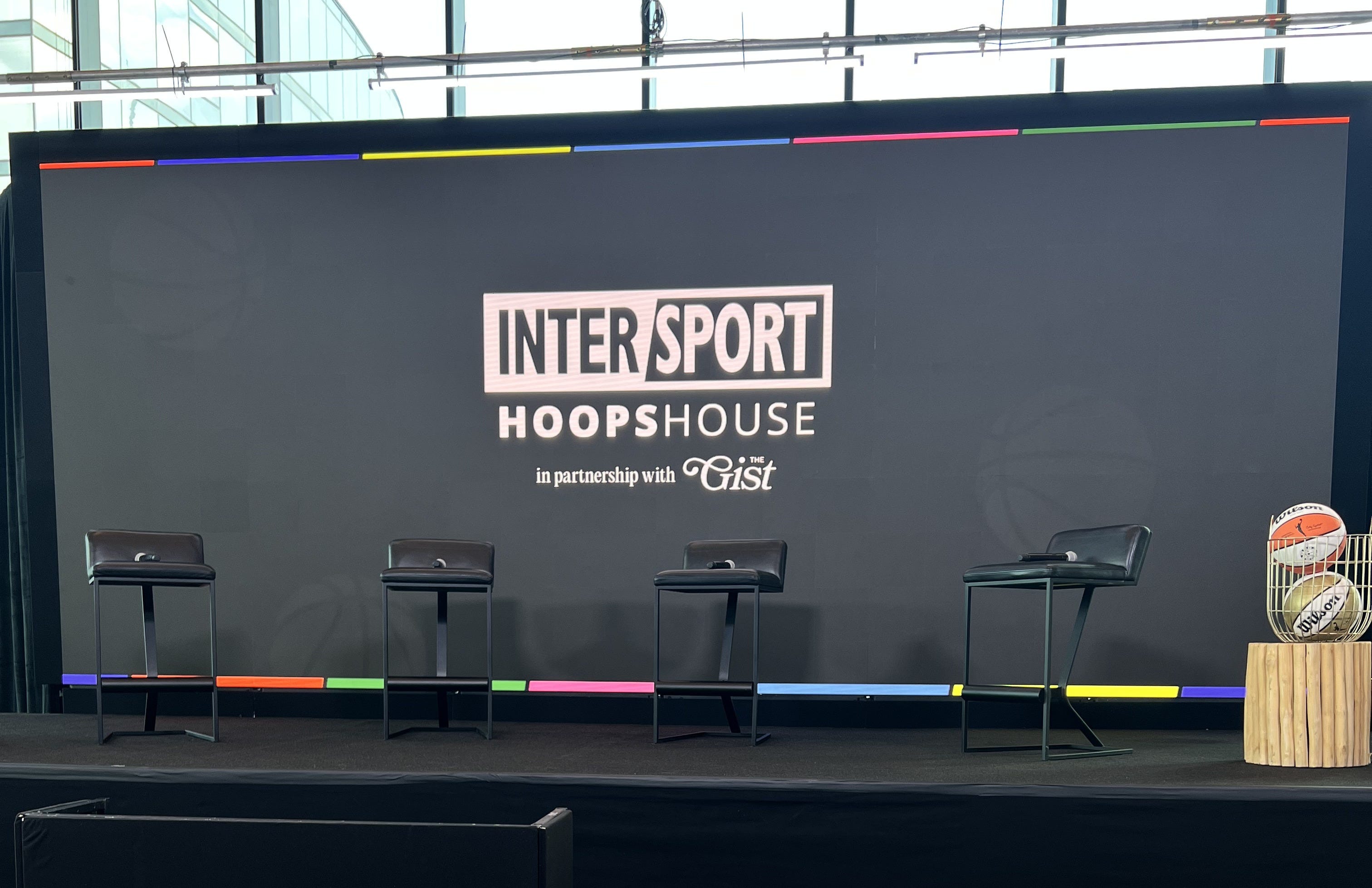
I kicked off the weekend at the Intersport Hoop House, presented in partnership with The GIST, where conversations centered on the business of women’s sports.
The first panel focused on athlete branding and featured agents, managers, and brand leaders, including Des Dickerson, manager to Flau’Jae Johnson.
One idea continued to surface throughout the discussion:
For women athletes, being elite at your sport is often just the starting point.
To maximize opportunities, many are expected to also be exceptional storytellers, content creators, entrepreneurs, advocates, or community builders.
That’s a standard we rarely place on male athletes.
Whether that’s fair is another conversation entirely, but it is the reality of today’s marketplace.
Another theme was the importance of building the right team around an athlete. For women especially, having the right representation, advisors, and brand partners can dramatically change the trajectory of a career.
The panel also reinforced something I’ve been saying for a while: NIL has changed everything.
Recruiting relationships with agents can begin as early as 12 to 14 years old, which means conversations about personal branding can’t wait until college anymore. Parents, coaches, educators, and athletes themselves all need to understand how brand reputation, social media, and storytelling influence future opportunities long before an NIL deal is ever signed.
It’s exactly why I believe athlete education matters as much as athlete performance, and why I’m building the athlete education arm of The Gifted Collective.
The Business Case for Women’s Sports Has Never Been Stronger
The second panel explored investment and innovation across women’s sports.
One statistic immediately stood out.
The WNBA is valued at only a fraction of the NHL, despite generating more than twice its television viewership.
That disconnect says less about audience demand and more about how women’s sports have historically been valued.
The encouraging part is that investors recognize the opportunity.
One conversation centered around League One Volleyball (LOVB) as an example of how investing across the entire athlete pipeline—from youth participation through the professional level—creates long-term value.
Youth sports aren’t simply community investments anymore.
They’re business investments.
Another point that challenged conventional thinking was audience demographics.
Brands often assume women’s sports are watched primarily by women.
The data says otherwise.
One of the fastest-growing audiences for the WNBA is young boys.
That reinforces something I’ve believed for years:
Women’s sports aren’t niche anymore. They’re simply sports.
Everyone is watching.
Growth Requires More Than Great Players
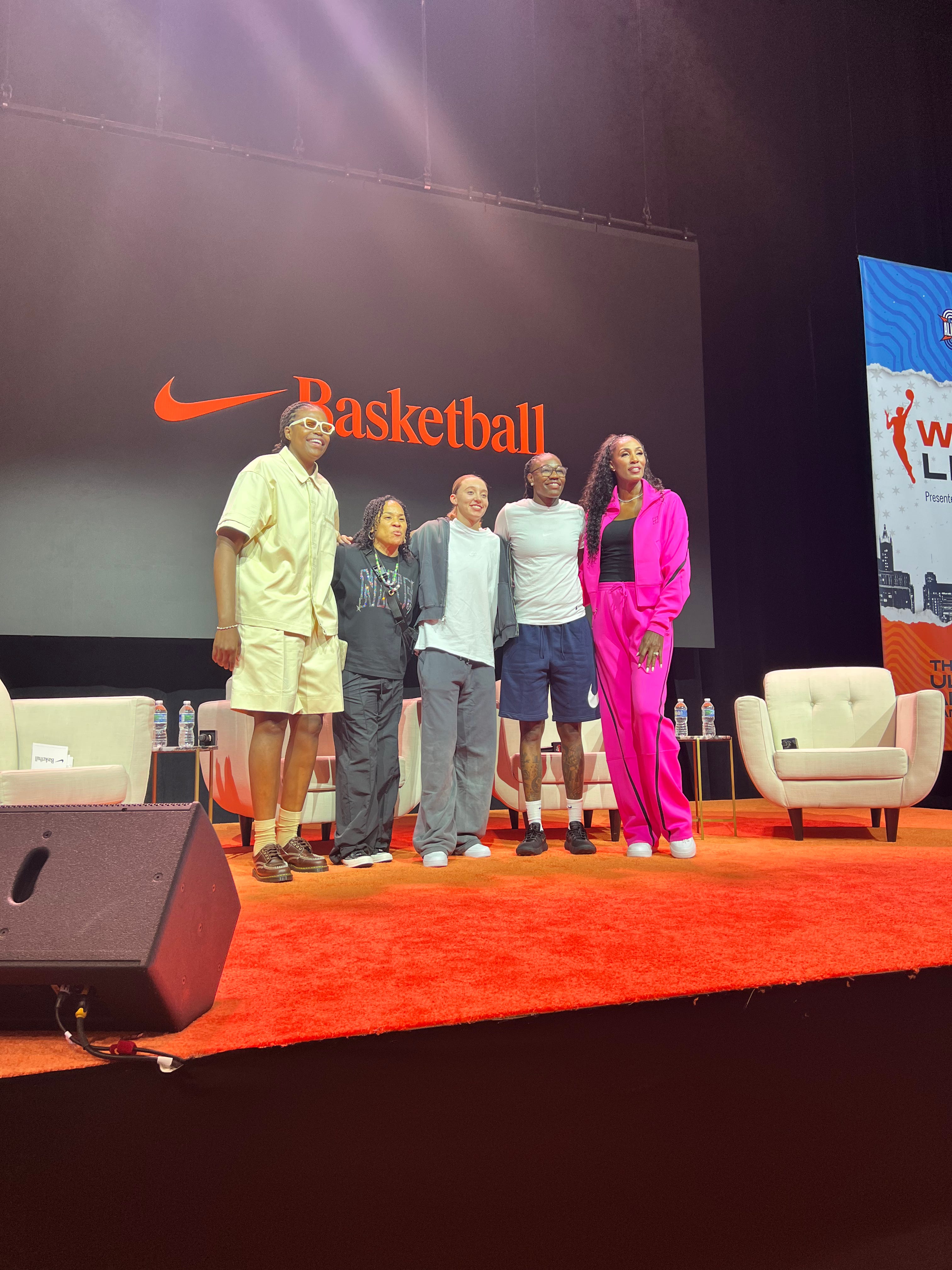
Later in the weekend, I attended WNBA Live, where Nike hosted a panel featuring current stars, legends, and future faces of the game, including Paige Bueckers, Jonquel Jones, Natasha Howard, Lisa Leslie, Dawn Staley, Sheryl Swoopes, JuJu Watkins, Madison Booker, and Aaliyah Chavez.
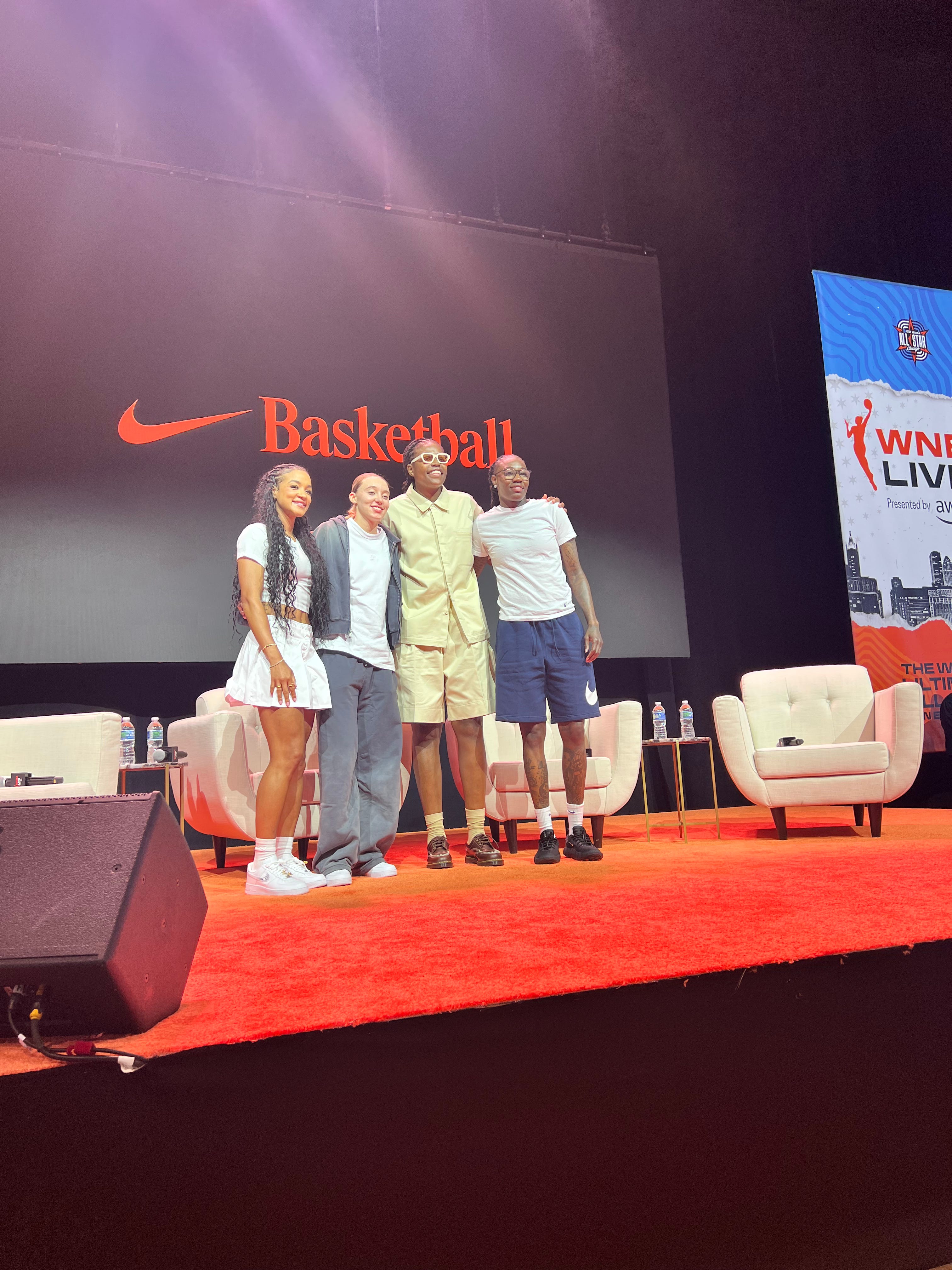
While fans were excited simply to see these athletes together, what struck me most was how consistently the conversation returned to growth.
Not just growing the league.
Growing the ecosystem.
Growing investment.
Growing opportunities for athletes.
Growing the next generation of fans.
That theme echoed throughout nearly every event I attended. The people making decisions aren’t asking whether women’s sports will continue to grow.
They’re asking how quickly they can help accelerate that growth.
My Biggest Takeaway
The basketball was incredible.
The fan experience was unforgettable.
But the most valuable part of the weekend happened between the events.
It happened in conversations with founders, marketers, agents, creators, executives, and investors who are actively building the future of women’s sports.
Those rooms reminded me that while we’ve made tremendous progress, we’re still early.
There is still enormous opportunity to build businesses, tell better stories, create stronger athlete brands, and develop the infrastructure women’s sports deserve.
so cool that you got to experience this! crazy that recruiting convos are starting so young but think its a great sign for the growth of women sports.
What a cool experience! I really love how there’s effort being put towards growing the game as fast as possible. Women’s sports/women as a whole have long been the most overlooked demographic in the sports world and it’s well past time to recognize that