

The Invisible Filter
The WNBA doesn't have a talent problem. It has a system that quietly decides whose excellence gets amplified—and this week, it became impossible to ignore.

Before I get into this week, I want to take you back to something I wrote in April.
I asked whether the Indiana Fever were more marketable—or simply more marketed.

I argued that visibility isn’t always earned. Sometimes it’s manufactured through broadcast windows, media repetition, institutional investment, and the stories organizations choose to tell over and over again.
At the time, I was talking about media strategy.
This week, I realized I was really talking about something much bigger.
Over the past several days, three seemingly unrelated stories dominated the conversation around the WNBA.
A’ja Wilson won two ESPYs, further cementing her place as the most accomplished player in the league today.
Paige Bueckers used her platform to call attention to the absence of Black women head coaches in a league built by Black women.
Meanwhile, a confrontation involving Caitlin Clark and game officials became one of the biggest stories in sports media.
Three different stories.
Three different conversations.
Or so it seemed.
Because underneath all three is the same question:
Who decides what deserves our attention?
The WNBA doesn’t have a talent problem.
It doesn’t have an audience problem.
It has a filter problem.
Not the kind of filter you can see, but the kind that quietly shapes which stories get amplified, which voices carry the most weight, which accomplishments become cultural moments, and which ones fade into the background.
This week didn’t reveal that filter.
It simply made it impossible to ignore.
The Coaching Conversation—And the Filter We Keep Missing
There are currently no Black women serving as head coaches in the WNBA.
That isn’t just a statistic. It’s the first example of the filter I’m talking about.
Last November, after her departure from the Seattle Storm, Noelle Quinn addressed the lack of Black women in coaching.
She didn’t hedge.
“It’s not by accident. I believe it’s intentional. Representation is possible when leadership chooses to make it possible.”
The story received some coverage. Then, like so many conversations that happen during the offseason, it faded.
Fast forward to this week.
After a game, Paige Bueckers made a similar point, saying Black women deserve equal opportunities to lead in a league they helped build. She didn’t have to say it. She chose to. That’s what allyship looks like.
Her comments quickly became a national conversation.
Timing absolutely played a role. Quinn spoke during the offseason, when attention around the league is at its lowest. Bueckers spoke in the middle of the season, after a nationally discussed game.
Both of those things are true.
But timing alone doesn’t explain why the issue itself didn’t become a sustained conversation until it was voiced by someone who wasn’t directly experiencing it.
That’s the filter.
Not whose perspective is right. Whose perspective institutions decide to amplify.
Predictably, the conversation quickly shifted away from opportunity and toward politics. Suddenly, the discussion became another debate about DEI, with critics arguing that Black women shouldn’t receive coaching jobs simply because they’re Black.
That was never the argument.
The conversation has always been about equitable access to opportunity—not lowering standards.
If you need proof, look no further than Lisa Leslie.
Three-time WNBA MVP. Two-time champion. Two-time Finals MVP. Four Olympic gold medals.
One of the most accomplished athletes the sport has ever produced.
Last offseason, Leslie interviewed for head coaching positions with two WNBA franchises. She wasn’t hired. Speaking later on Angel Reese’s podcast, she said, “You’ve got to be ten times as great as a Black woman in this industry.” She also shared that she has no interest in pursuing another WNBA coaching job.
Lisa Leslie wasn’t asking for a favor.
She was presenting one of the strongest résumés imaginable.
The fact that her qualifications could still be overlooked tells us this conversation has never been about lowering the bar.
It’s about asking who gets evaluated through the same bar in the first place.
And once you recognize that filter in coaching, you start seeing it everywhere else.
Merit Stopped Being the Only Filter
The filter also shows up in the stories we choose to tell.
This week, A’ja Wilson won both Best WNBA Player and Best Athlete: Women’s Sports at the ESPYs—adding two more honors to a résumé that already places her among the greatest players in league history.


That should have been one of the defining sports stories of the week.
Instead, much of the conversation centered on a confrontation between Caitlin Clark and game officials. The story dominated sports television, social media, and debate shows. Around the same time, NBA Commissioner Adam Silver publicly addressed Clark’s treatment in the media, calling her a “political football.”
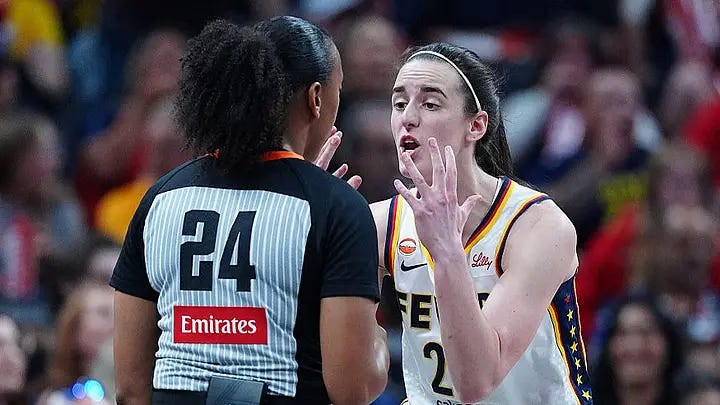
Before I go any further, I want to be clear about what I’m arguing. This isn’t a criticism of Caitlin Clark.
She’s an good, possibly great, player whose arrival has introduced millions of new fans to the WNBA. That’s good for the league. The question isn’t whether she deserves attention.
The question is why our institutions have become so heavily invested in one narrative while other forms of excellence struggle to generate the same sustained attention.
Because media coverage isn’t just reporting what’s popular.
It’s telling audiences what matters.
Every headline. Every nationally televised game. Every panel discussion. Every promotional campaign. Every push notification.
They’re all signals. And over time, those signals become perception.
When I wrote earlier this year about the difference between being marketable and being marketed, this is exactly what I meant.
Markets don’t simply discover value. They help create it.
That doesn’t mean the value is fake. It means visibility compounds.
The more often audiences see someone, the more familiar they become. The more familiar they become, the more commercially attractive they appear. And eventually, familiarity starts getting mistaken for merit.
The demographic data tells an important part of that story.
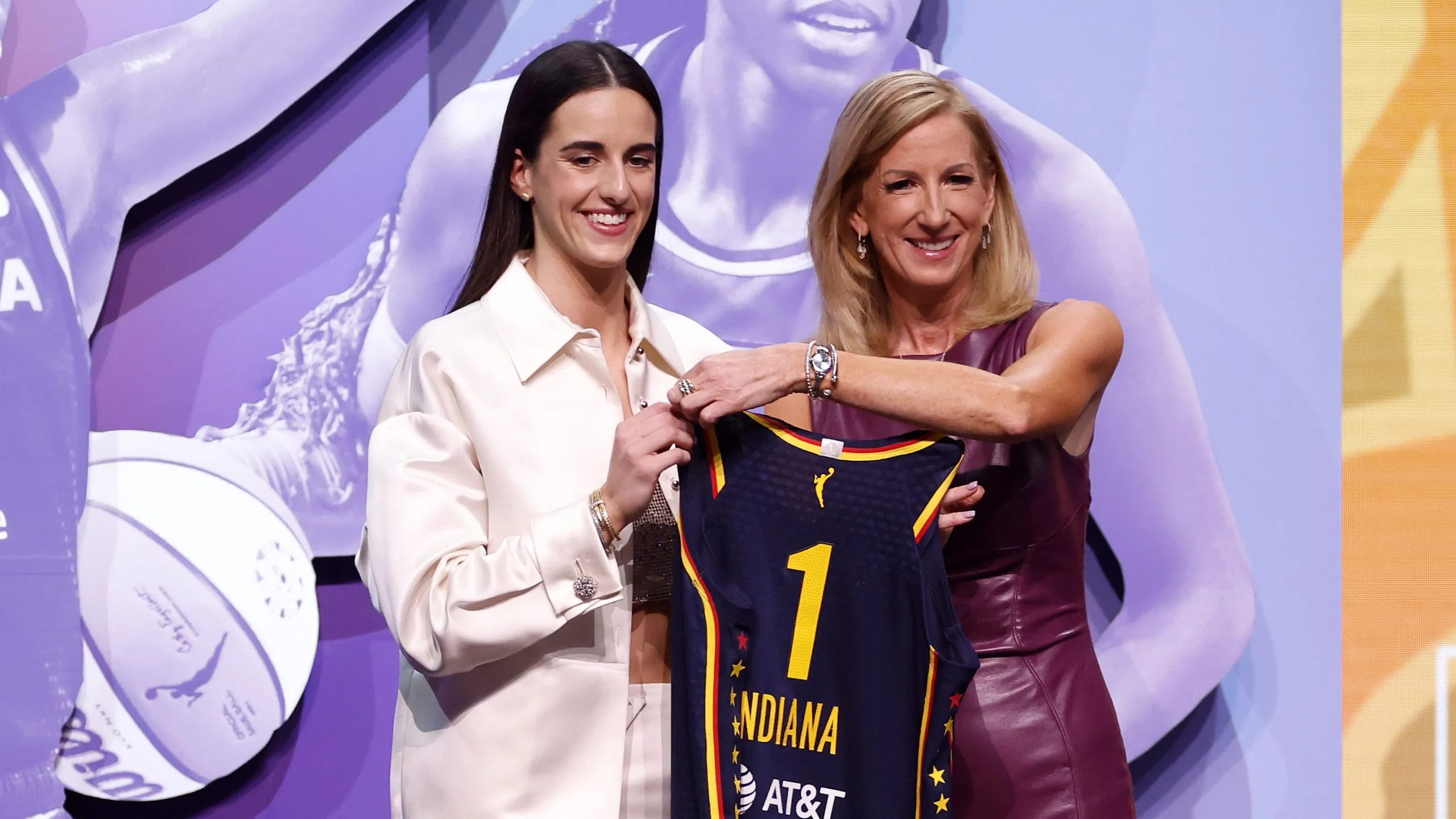
When Caitlin Clark entered the league, WNBA viewership grew across nearly every audience segment. Black viewership on ESPN increased by 67 percent year over year. Hispanic viewership nearly doubled. Non-Hispanic white viewership increased by more than 300 percent.
That’s incredible growth. Growth isn’t the problem. In fact, it’s exactly what the league should want.
But here’s what often gets left out of the conversation. Black audiences didn’t disappear. They grew, too.
Black viewers still account for roughly one-third of ESPN’s WNBA audience and nearly half of Ion’s WNBA viewership. The 2026 WNBA Draft attracted significantly more Black viewers than the previous year.
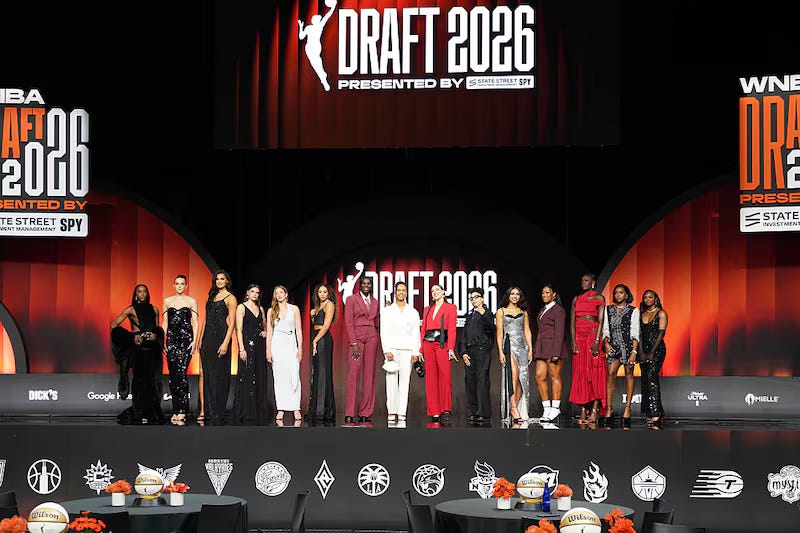
The foundation didn’t shrink. The house simply got bigger.
The mistake is assuming that because one audience experienced the fastest growth, it’s the only audience worth prioritizing. That’s where the filter becomes visible.
Not because anyone says it out loud. But because investment begins to follow an assumption—that some audiences are inherently more commercially valuable than others.
Whether that’s reflected in broadcast windows, sponsorship dollars, editorial coverage, or promotional campaigns, the result is the same.
The stories attached to those audiences receive more oxygen. The athletes attached to those stories become more recognizable. And recognition, over time, starts looking a lot like merit.
Except they aren’t the same thing.
The Brand Lesson Most People Are Missing
This is where I want to step out of sports for a moment and put my marketing hat back on. One of the biggest mistakes brands make is confusing attention with equity.
They’re not the same thing.
Attention can be manufactured. Equity has to be earned.
Attention is often driven by novelty, controversy, algorithms, or the story dominating this week’s news cycle. Brand equity is built through consistency.
Trust. Performance. Relationships. Time.
The best marketers know the difference. They don’t simply ask, “Who’s getting the most attention right now?”
They ask a much better question:
“What creates lasting value?”
That’s an important distinction because attention is borrowed. Equity is owned.
When a brand ties itself too closely to headlines, it’s renting someone else’s narrative. That narrative can change overnight because of an injury, a controversy, a losing streak, or the next viral moment.
That’s not an asset. That’s volatility. The strongest brands don’t chase the loudest conversation. They invest in enduring excellence.
That’s why the greatest athlete partnerships rarely begin after everyone agrees an athlete is a superstar.
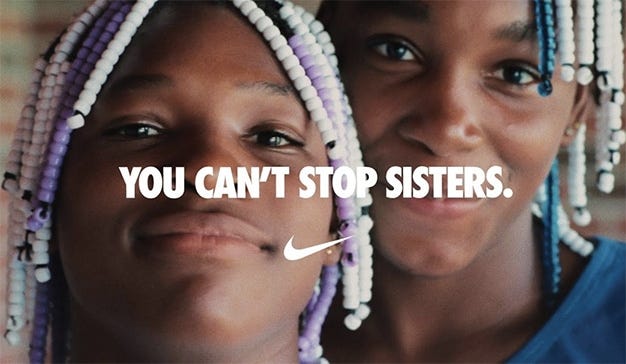
Nike didn’t wait for Serena Williams to become a cultural icon. They invested in what she represented long before the market fully appreciated her impact. The same was true of LeBron James.
The smartest brands weren’t following attention. They were recognizing value before attention caught up.
That’s the difference between trend-following and brand building. It’s also why I think this moment matters so much for the WNBA.
If your investment strategy is driven primarily by whichever player dominates this week’s news cycle, you’re building your brand on momentum you don’t control.
But if you invest in athletes whose value is rooted in sustained excellence, authentic community, and audience trust, you’re building something far more durable.
That’s what long-term brand equity looks like.

And here’s where the business opportunity becomes impossible to ignore.
The Black audiences that have supported the WNBA for decades aren’t just passionate fans. They’re highly engaged consumers.
Research consistently shows they’re more likely to support brands that authentically invest in the athletes, communities, and values they care about. That’s not cultural goodwill. That’s consumer behavior.
The brands that understand this won’t simply sponsor women’s basketball. They’ll help shape its future. Because the biggest opportunities rarely exist where everyone is already looking. They exist where others have underestimated the value.
Why This Matters
It’s easy to read all of this and conclude that the solution is simply to give different athletes more attention.
I don’t think that’s enough. The real challenge is learning to recognize the filter before it tells us what to value.
Because filters don’t just shape headlines.
They shape investment. They shape hiring. They shape sponsorships. They shape public memory. And eventually, they shape history.
When enough institutions point in the same direction, we begin to mistake visibility for importance.
Recognition for merit. Familiarity for excellence. That’s why this conversation extends far beyond the WNBA.
Every industry has filters. They determine which founders get funded.
Which creators get platformed. Which companies receive coverage. Which ideas become mainstream. The people making those decisions rarely believe they’re overlooking excellence.
They’re responding to the signals they’ve been given.
The problem is that institutions are often responsible for creating those signals in the first place. That’s why media literacy matters. It’s not enough to know that coverage is curated. We have to ask who benefits from the way it’s curated. It’s not enough to recognize that marketing influences perception. We have to ask whose perception is being reinforced—and whose is being overlooked.
That’s true whether we’re talking about sports, business, entertainment, or politics.
For brands, this should be a moment of reflection. The greatest opportunities rarely come from following the loudest conversation. They come from recognizing value before everyone else does.
That’s what great scouting looks like. It’s what great investing looks like. And it’s what great marketing looks like.
Over the last several months, I’ve written about the difference between being marketable and being marketed. I’ve argued that there is no longer one singular face of the league because we no longer live in a monoculture. I’ve challenged all of us to become more media literate—to think critically about the stories we’re consuming instead of accepting them at face value.
This week reminded me that those weren’t separate conversations. They were all pointing to the same idea. Markets don’t simply discover value.
Institutions help determine where they look for it.
The talent has always been here. The audience has always been here. The stories have always been here.
The question is whether we’re finally willing to see them through a different lens.