

For Decades, Brands Rented Player Culture. 500 NBA Players Just Bought It Back.
The NBPA just launched PLYRS UNTD at Cannes Lions — and if you know what Cannes is, you know exactly what that means.

Hey, welcome back to Unwrapped. This week:
🏀 500 NBA players just became a brand — and they announced it at Cannes
👀 On My Radar: two campaigns doing athlete storytelling right
There’s a lot to unpack. Let’s get into it.
Something happened at Cannes Lions this week that didn’t get nearly enough attention in sports media.
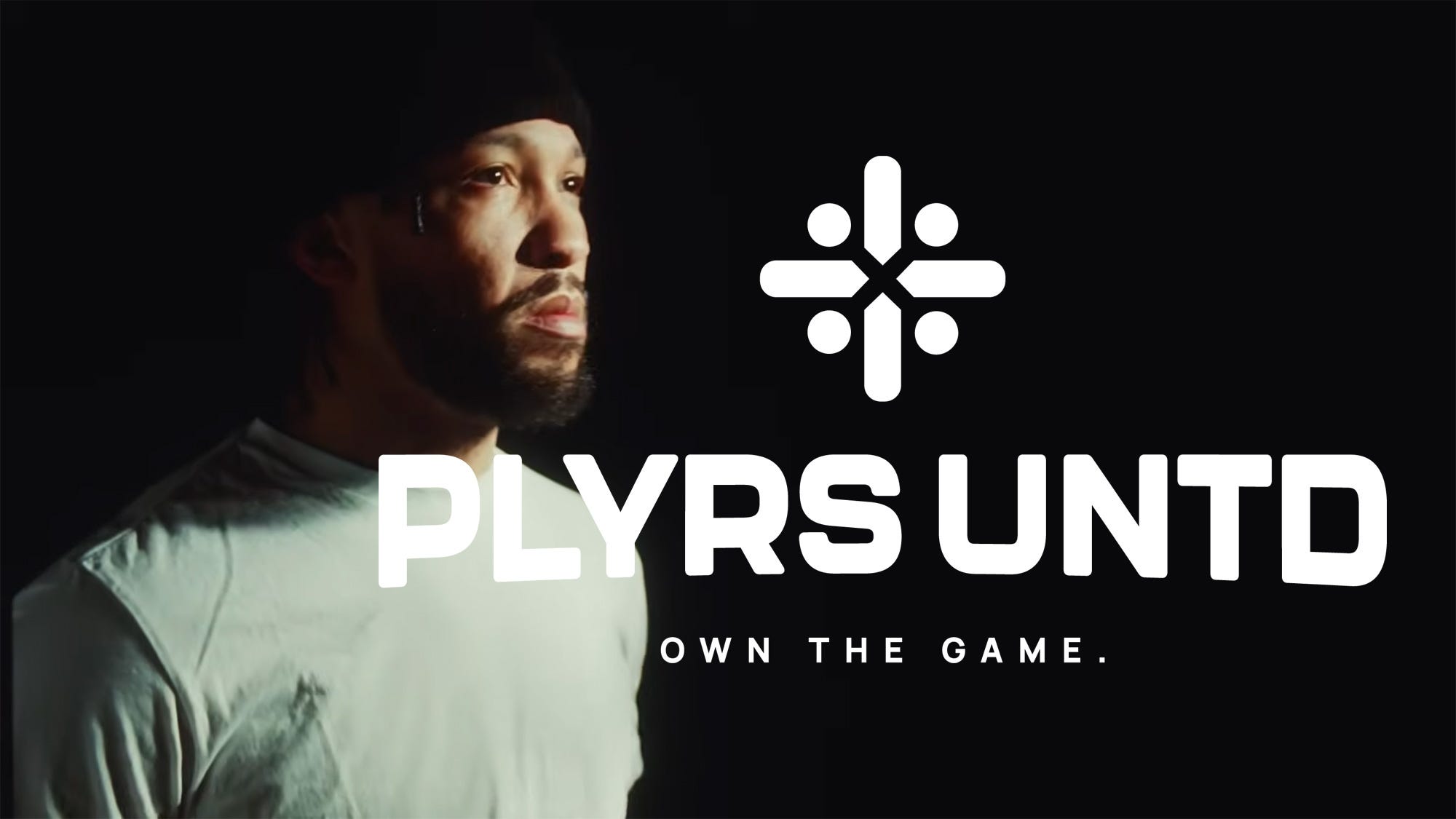
PLYRS UNTD — the National Basketball Players Association’s new consumer-facing brand managing the collective NIL rights of over 500 NBA players — made its debut at Cannes Lions International Festival of Creativity. Not at a press conference. Not on SportsCenter. At Cannes.
If you work in marketing or brand strategy, you already know why that matters. Cannes Lions is where the global creative and brand industry decides what culture looks like for the next year. It’s where CMOs, agency leads, and creative directors gather to debate what’s working, what’s next, and who belongs at the table.
This year, sports has a bigger seat at that table than ever before. Cannes Lions just launched LIONS Sport — a brand new two-day program dedicated to the intersection of sport, culture, and commerce. Sport Beach returned for its fourth year with a roster that included Shaq, Naomi Osaka, Lando Norris, and Jaylen Brown, who was on the ground specifically to talk about PLYRS UNTD.
The players didn’t show up at a sports conference. They showed up where brand decisions get made.
What PLYRS UNTD Actually Is
For years, the NBPA operated a business-to-business arm called THINK450. Its job was to broker player access — package up player talent and sell it to brands looking for partnerships. The players were the product. THINK450 was the middleman.
PLYRS UNTD replaces that entirely.
This is a business-to-consumer brand — managing group licensing, merchandise, content, and brand collaborations under a unified player-owned identity. NBPA incoming Executive Director David Kelly was direct about the shift: “Instead of just renting out player talent to the league and teams, we’re operating as the enterprise itself.”
NBPA President Fred VanVleet was even plainer: the players wanted to own a piece of the ecosystem they built. Now they do.
I’ve Watched Brands Spend Years Trying to Borrow Player Culture. PLYRS UNTD Is What Happens When the Players Decide to Stop Lending.
Here’s the thing about the traditional endorsement model nobody in sports marketing loves to say out loud: for decades, it was extractive.
Brands held the equity. Players provided the reach. A deal got signed, a campaign ran, and when the contract expired, the brand kept the equity it had built on the back of that player’s name, face, and cultural credibility. The player got a check.
That model made sense when individual athletes needed the infrastructure that brands and leagues could provide. But that world has been quietly dissolving. Athletes are now media companies. Their cultural influence doesn’t flow through brands anymore — if anything, it flows the other direction.
What PLYRS UNTD does is take that individual awareness and scale it collectively. The new logo literally makes the argument: it replaces the traditional basketball with a geometric equation representing the idea that collective ownership multiplies individual power.
As a marketer, this is the part that excites me most. Because when players own the infrastructure, they also own the content. And player-controlled content has the potential to be genuinely different from what brands and leagues have produced on their behalf. It can be more specific. More honest. More culturally grounded.
The “Own the Game” campaign film they debuted at Cannes — brooding, minimalist, narrated by Kyrie and produced by Kendrick Lamar & Dave Free’s creative agency pgLang — already feels like a signal of what that can look like when athletes are the architects, not just the subjects.
That content will serve as a blueprint. Watch how brands start to rethink what athlete storytelling can look like when the athlete is actually driving.
The Part That Hits Different
As a Black woman who has spent the majority of her career as sports fan in comms & marketing, I want to sit with something for a moment.
The majority of NBA players are Black men. And for most of the league’s history, their stories have been told by people who don’t look like them, don’t come from where they come from, and don’t always understand the full context of who they are — on the court or off it.
The narratives have been shaped by media companies, brand partners, and league offices whose priorities weren’t always aligned with the players’ own. The result has been a version of these athletes that was often flattened — amplified when marketable, managed when complicated, and filtered through a lens that prioritized palatability over truth.
PLYRS UNTD changes that structure. Not just commercially — narratively.
When players own the content, they own the framing. They decide which stories get told, how they’re told, and who tells them. That matters in ways that go beyond marketing strategy. It matters because these are human beings whose public identities have been constructed largely without their creative control.
Ownership of the story is not a small thing. It never has been.
But Let’s Be Real — Taking Back Power Isn’t Always Well Received
I’d be doing you a disservice if I only wrote the celebration.
History tells us that when athletes organize, build equity, and assert collective power, the reaction from league leadership and existing brand partners isn’t always applause. Sometimes it’s resistance. Sometimes it’s restructuring. Sometimes it’s a quietly renegotiated agreement that walks things back.
The NBA and its franchise owners have strong opinions about how players are positioned — and a collective player brand that operates independently, builds its own audience, and develops its own content relationships is a new variable in that dynamic. PLYRS UNTD isn’t operating against the league, but it is operating alongside it in ways that haven’t existed before. That line will get tested.
There are also real questions about execution. Collective power is only as strong as collective alignment — and managing 500 players with 500 different brands, audiences, and interests is genuinely hard. Individual players may find the collective model in tension with their own personal brand strategies. Sponsors who have existing individual deals will need to navigate new territory.
None of that makes PLYRS UNTD less significant. It just means the most important chapter of this story hasn’t been written yet.
What I’m watching for: how the league responds, which brand partners move first, and whether the content lives up to the promise. If PLYRS UNTD can deliver storytelling that feels as original as its launch, it won’t just be a player association initiative. It’ll be one of the most important brand stories in sports this decade.
On My Radar: Campaigns Worth Watching
Because strategy is only as good as the examples we’re paying attention to.
Olivia Miles x GlassesUSA.com — “Trust Your Vision”


This one landed for me because it’s a masterclass in authentic partnership. Miles has worn glasses her whole life — on the court, off it, since she was a baby. The goggles are part of her identity. GlassesUSA.com didn’t borrow her image and slap it on a product. They built a campaign around something that was already true.
That’s the difference between a sponsorship and a story. In a moment when women’s sports partnerships are booming, but brand execution is still hit or miss, this is what getting it right looks like.
Under Armour x Dodge — “Classic Americana Reimagined”
When I first read about this collab I’ll be honest — on paper, it sounded like a stretch. A sportswear brand and a muscle car company? But the execution earns it.


The collection draws from the Charger SRT Hellcat and Challenger SRT Demon — machines that crossed from automotive into cultural artifact a long time ago. Oxblood reds, carbon black finishes, burnout textures. The football cleats especially make sense: the UA Blur Pro x Dodge carries the same energy as a player who hits the field like they’re launching off a line.
What’s strategically smart here is the shared audience logic. Dodge’s most passionate fans and Under Armour’s core athletes occupy the same cultural space — people who believe in power, performance, and showing up loud. The collab doesn’t try to explain that overlap. It just builds for it. And activating at the UA NEXT SEVENS tournament this summer — where the top high school football underclassmen compete — puts it exactly where that audience lives.
Unwrapped is where sports, culture, and marketing strategy meet. If this gave you something to think about, forward it to someone who needs to read it.