

Every Athlete Has Brand Value. So Why Are Brands Still Acting Like Only Some of Them Count?
Two blockbuster apparel deals. One uncomfortable truth about who the industry actually invests in.

Let me start with A’ja Wilson.
Not because she signed anything this week. But because her name is written into a contract that has nothing to do with her directly — and everything to do with what she’s built.
South Carolina officially entered the Nike era on July 1, ending a 19-year partnership with Under Armour. And tucked inside that 10-year deal is something called an “A’ja Wilson Integration” clause. The Gamecocks are getting custom A’Twos — Wilson’s signature sneaker, now in its second season — and will appear in advertisements alongside her.
Dawn Staley said it plainly: “I don’t think any other school is going to get what we’re going to get when it comes to A’ja and her legacy. All the things that make her special will make our program special.”
Sit with that for a second.
A college program’s apparel contract now has a clause built around a WNBA superstar’s signature shoe line. In women’s basketball. That has never existed before. Not like this.
What That Actually Means
A’ja Wilson’s first signature shoe, the A’One, launched in May 2025 and sold out in multiple colorways. The A’Two dropped this spring. She is one of the rare women athletes who has broken through not just as a player but as a full brand — and Nike has made her legacy a structural feature of her alma mater’s deal. Not a marketing campaign. Not a one-off collab. A contract clause.
Think about what that means for a 17-year-old deciding where to play college basketball.
You’re not just choosing a coach, a system, a campus. You’re choosing to lace up A’ja Wilson’s shoes before you ever get a deal of your own. You’re choosing to step into a lineage. That’s identity. That’s what it feels like when someone decides a Black woman’s impact is worth building an entire pipeline around — not just celebrating at the awards show, but writing into the infrastructure of the sport.
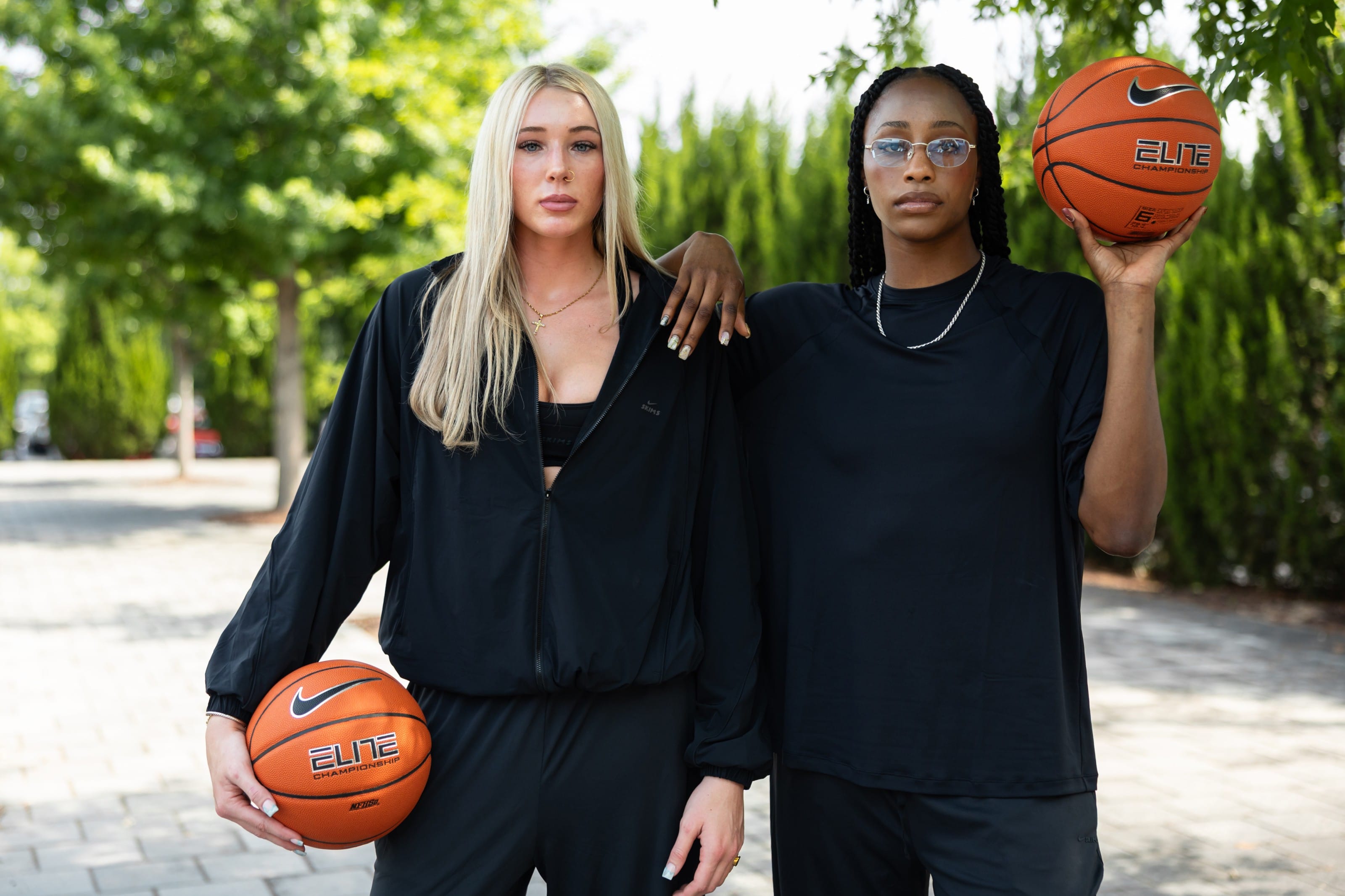
Nike also named five Gamecock athletes to its Blue Ribbon Elite NIL program on day one: women’s basketball standouts Joyce Edwards and Chloe Kitts, plus football players LaNorris Sellers, Nyck Harbor, and Dylan Stewart. Blue Ribbon Elite goes beyond slapping a logo on a jersey. These athletes help shape campaigns, contribute to product innovation, and get individualized support across content, media, and styling. When you sign with Blue Ribbon Elite, you don’t just rep the Swoosh — you help shape it.
And then there’s Jerzy Robinson — a South Carolina freshman who signed a Nike endorsement deal at 16, as a junior in high school. She wore player-edition A’Ones at the McDonald’s All-American Game. Nike brought her to Columbia to help launch the A’Twos. The pipeline isn’t theoretical. It’s already running.
The Part That Hits Different
I want to stay here for a minute because this is bigger than a business story.
For most of the history of women’s basketball, the athletes who built programs — who won championships, filled arenas, changed what the sport looked like — graduated and largely disappeared from the brand conversation. Their likeness was used. Their wins were celebrated. But the equity they created lived somewhere else. Usually, in a room they were never invited into.
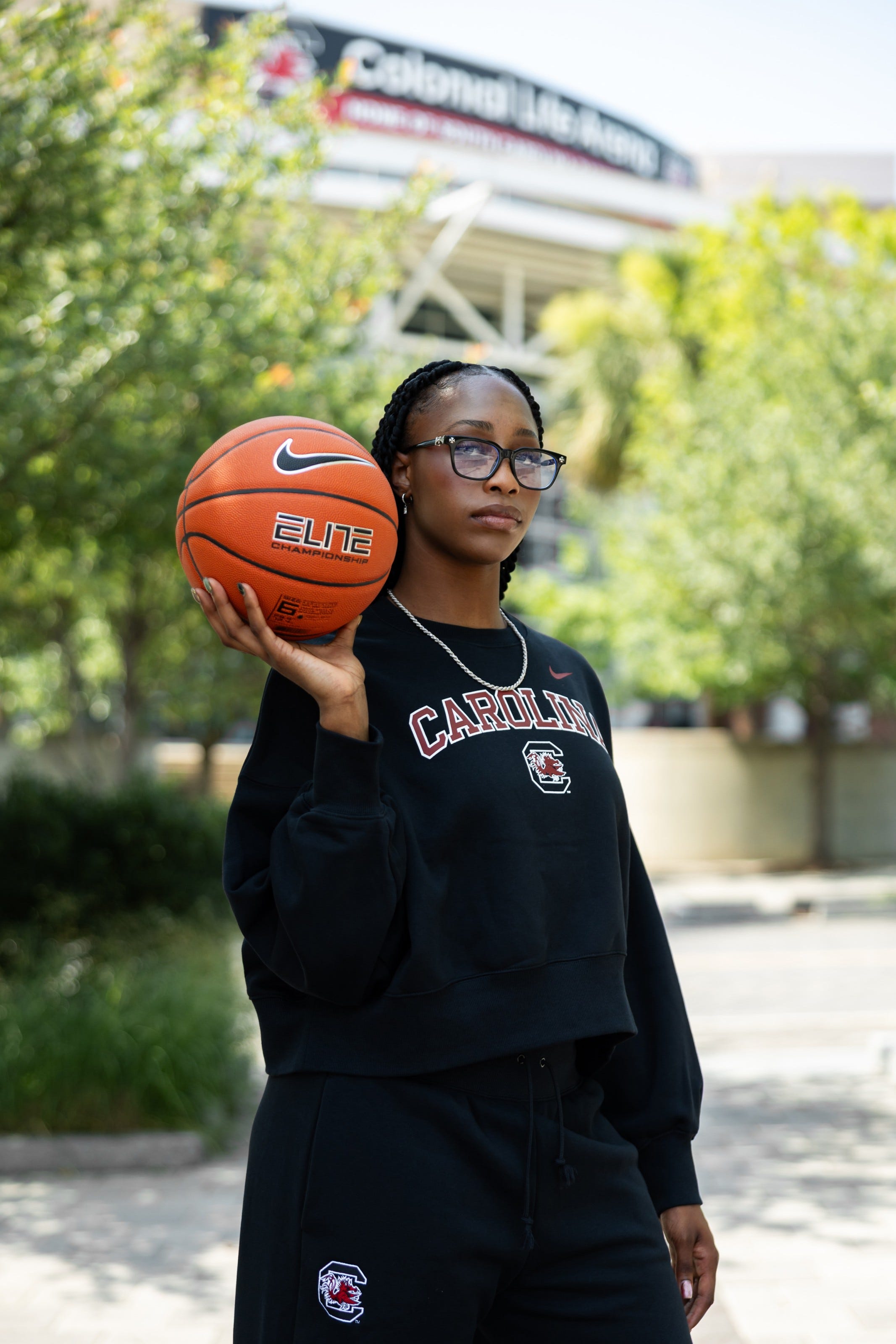
What’s happening at South Carolina right now is a different model. A’ja Wilson’s commercial power is being looped back into the program that built her. Future Gamecocks will step into a brand ecosystem she helped create. Her name, her shoe, her story — they’re not just assets. They’re part of how the next generation of players gets introduced to the world.
Women athletes have rarely been given the infrastructure to build that kind of legacy. And the fact that it’s happening here — at a program led by Dawn Staley, who was one of Nike’s original female athletes as a player, and who is only now being formally reunited with Nike at the team level after decades of coaching — that’s not a footnote. That’s the headline.
Tennessee x Adidas: Every Athlete Matters. Apparently, That’s Still Radical.
Now let’s talk about what Tennessee just did — because it’s a different kind of statement, and it deserves the same attention.
Tennessee left Nike after 12 years and returned to Adidas on a 10-year deal. And the part that matters most isn’t the uniforms or the football jerseys or Peyton Manning showing up in the launch video — though he did, very Tennessee of them.
It’s this: every Tennessee athlete, across all 20 varsity sports, is eligible for Adidas’ NIL Ambassador Network.
Not just football. Not just men’s basketball. The swimmer. The softball pitcher. The women’s soccer goalkeeper. The track athlete who went viral in March and still has that audience in July. More than 40 athletes showed up in the launch activation this week alone.
Adidas looked at the University of Tennessee and said: every athlete here has value. Not just the ones on SportsCenter. All of them.
If you’re a fan of women’s sports — of any sport that doesn’t get the flowers it deserves — you know how rare it is to hear a brand say that and actually mean it. Most brands say they believe in the power of athlete storytelling and then spend 90% of their budget on the same five football players everyone else is chasing.
Adidas built a structure that makes the belief real. That matters.
The Question Worth Asking
Here’s what sits underneath both of these deals, and what I think is the most honest thing I can say about where sports marketing is right now:
If every athlete has brand value — and they do — why are most brands still acting like only some of them count?
The women’s basketball player building her audience in real time. The swimmer who just broke a conference record. The volleyball player with a following that is loyal in a way most brand accounts would kill for. These athletes exist. Their audiences exist. Their stories are worth telling.
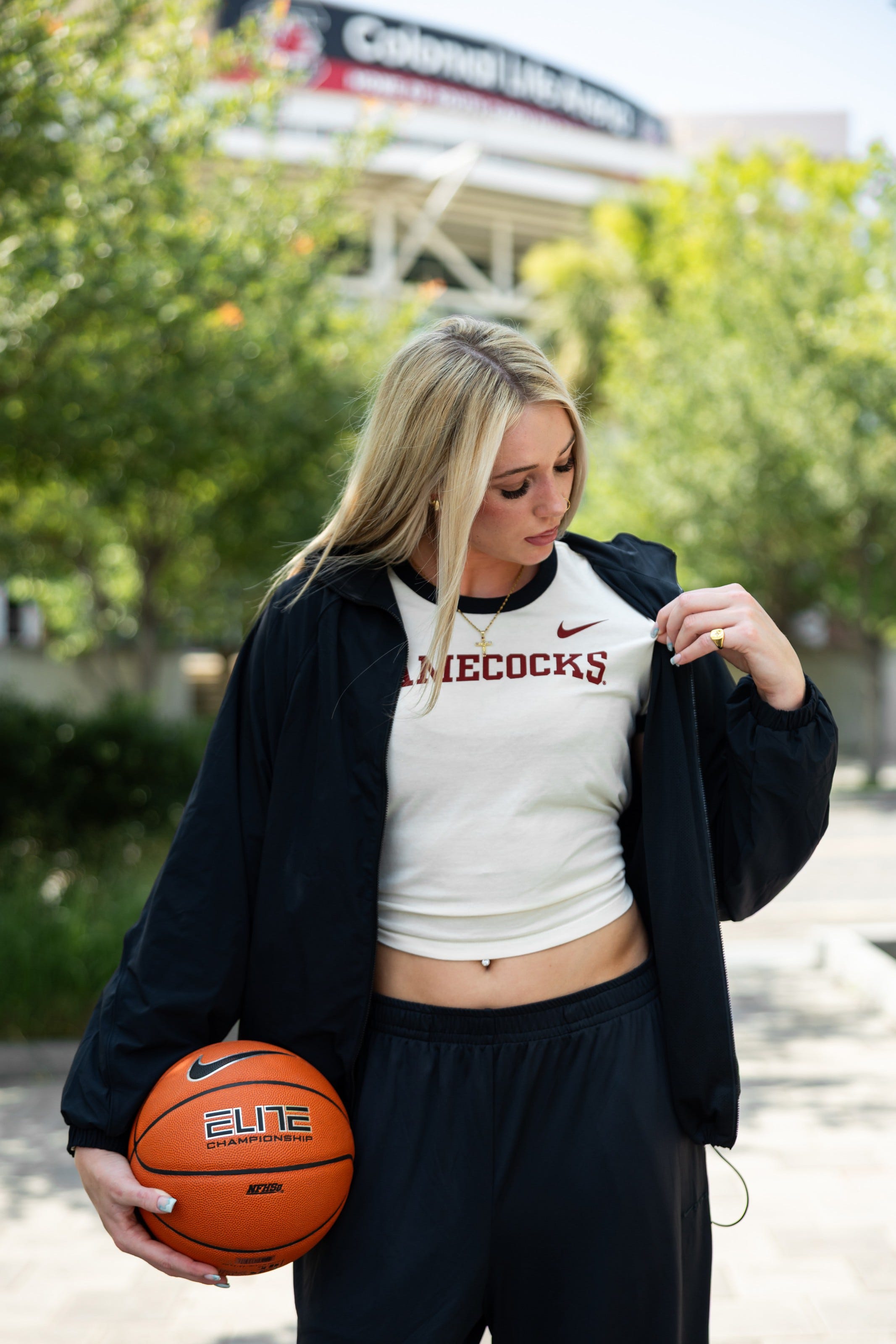
Nike built a pipeline for the elite few and made A’ja Wilson’s legacy part of the infrastructure. Adidas built a network for everyone and made access the point. Both are saying something the industry has been slow to accept: the old model — show up at the top, ignore everyone else — is leaving the best stories on the table.
The brands that figure this out won’t just win partnerships. They’ll win the trust of athletes and fans who have been waiting a long time to feel like someone was actually paying attention.
The uniform deal is dead. What replaces it isn’t just a jersey with an NIL clause.
It’s a relationship. Built early. Built with intention. Built around the idea that the athlete’s story was always worth telling — we just finally have the tools to do it right.
On My Radar: Quick Hits
Three things worth watching as this plays out.
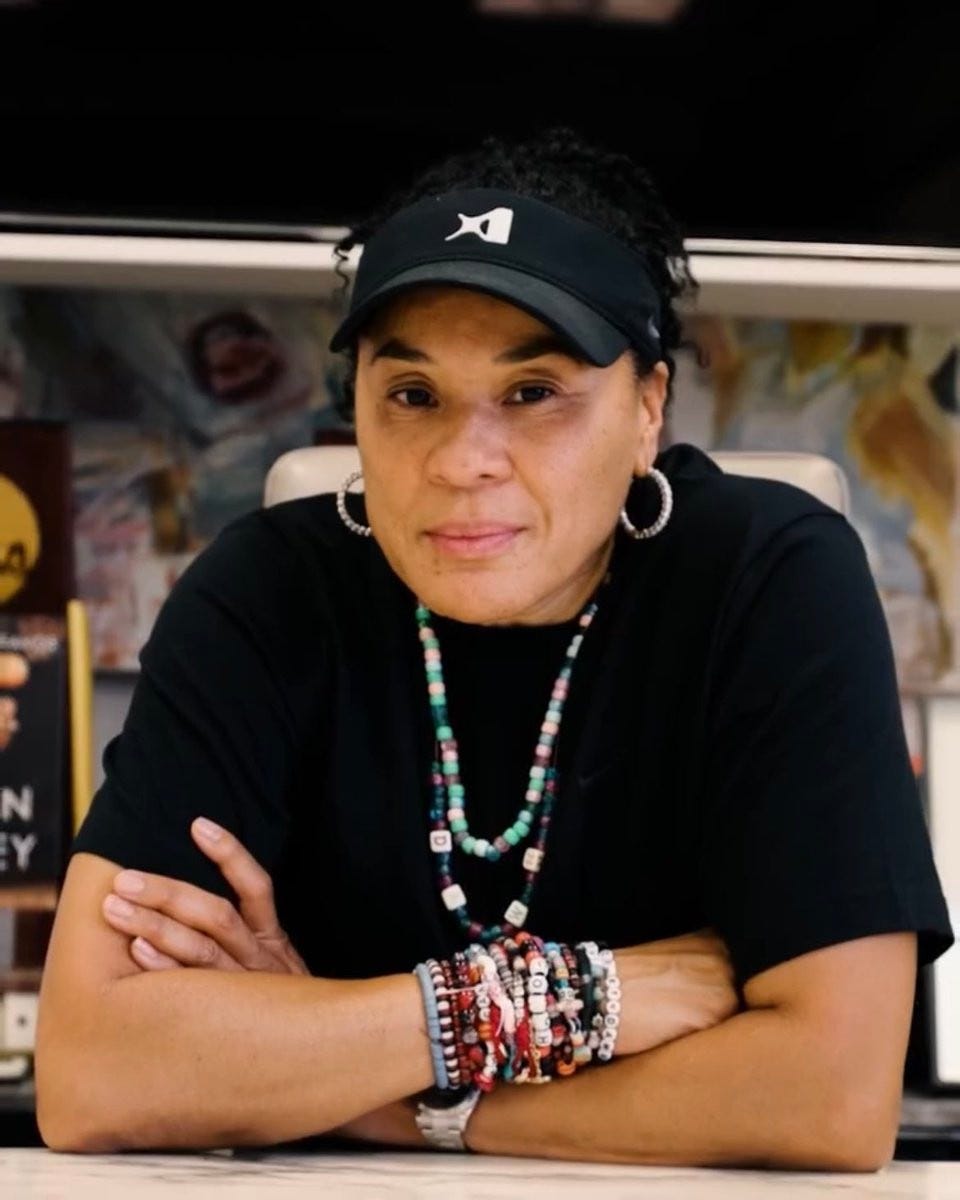
The Dawn Staley reunion — Staley was one of Nike’s original female athletes as a player. Nike never had her at the team level during her entire coaching career at South Carolina. This partnership officially reunites them. For a coach with that kind of cultural weight, that’s not just a brand moment — it’s a long time coming.
Oliviyah Edwards — A South Carolina freshman who signed an NIL deal with Adidas before her school switched to Nike. She’s now playing for a Nike school on an Adidas deal. This is the new complexity of college sports in the NIL era, and it won’t be the last time we see it. The era of clean, tidy brand allegiances in college sports is over.
What Tennessee does with women’s sports specifically — The all-20-sports model is a promise right now. The proof will be in whether the volleyball player and the women’s basketball player get the same creative investment as the football players when the content actually gets made. I’ll be watching.
Unwrapped is where sports, culture, and marketing strategy meet. If this gave you something to think about — forward it to someone who needs to read it.